Day: June 15, 2023

Should I Propose Before, During, or After Dinner?Should I Propose Before, During, or After Dinner?

0 Comments 5:00 am

The act of proposing marriage is a significant milestone in a relationship, and the timing of this momentous event can greatly impact its success and emotional impact. One common question that arises is whether to propose before, during, or after a romantic dinner. In this article, we will explore the various factors to consider when determining the ideal timing for a proposal. By understanding the dynamics at play, individuals can make an informed decision that aligns with their relationship dynamics, preferences, and overall vision for their proposal.


Reflecting on Relationship Dynamics:

Before deciding on the timing of a proposal, it is crucial to reflect on the dynamics and unique qualities of your relationship. Consider factors such as the level of emotional intimacy, mutual understanding, and shared vision for the future. Understanding your partner’s expectations and preferences regarding proposals can also provide valuable insight into the ideal timing.


Personalities and Comfort Zones:

Another essential aspect to consider is the personalities and comfort zones of both individuals in the relationship. Some people may prefer private and intimate moments, while others thrive in more public settings. It is crucial to align the proposal timing with the comfort zones and preferences of both partners to ensure a memorable and meaningful experience.


Creating a Memorable Atmosphere:

The ambiance and atmosphere surrounding the proposal greatly contribute to its overall impact. A romantic dinner can set the stage for a heartfelt and intimate proposal. Consider factors such as the venue, lighting, and music that will enhance the mood and create a memorable backdrop for this special moment. Additionally, personal touches that reflect your shared experiences and memories can add a sentimental touch to the proposal.


Timing Within the Evening:

Timing plays a crucial role in creating the desired emotional impact during a proposal. Each timing option – before, during, or after dinner – presents its own unique considerations:


Before Dinner:

Proposing before dinner offers a sense of anticipation and excitement throughout the meal. This timing allows you and your partner to savor the celebratory atmosphere without the proposal itself overshadowing the dining experience. It can create a moment of surprise and set a positive tone for the evening, allowing you both to relax and enjoy each other’s company while relishing the joyous news. This can be a very lovely way in celebrating your new engagement.
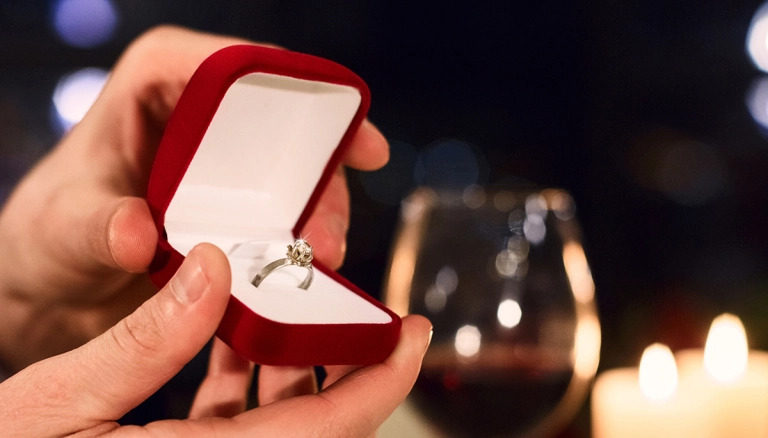
Marriage proposal before dinner

Pros:

  • Element of surprise: Proposing before dinner catches your partner off guard and makes the moment even more special.
  • Enhanced intimacy: Starting the evening with a proposal sets the stage for an intimate and romantic dinner, creating a shared sense of excitement and anticipation.


Cons:

  • Distraction during dinner: Some individuals may find it challenging to focus on the meal and engage in meaningful conversation while processing the proposal.
  • Potential for anxiety: If your partner is prone to being self-conscious or uncomfortable with public displays of emotion, proposing before dinner may add unnecessary pressure.


During Dinner:

A proposal during dinner can be a heartfelt and memorable experience, creating an intimate moment between you and your partner amidst a romantic ambiance. It allows you to combine the joy of the proposal with the enjoyment of a shared meal, enhancing the significance of the occasion.
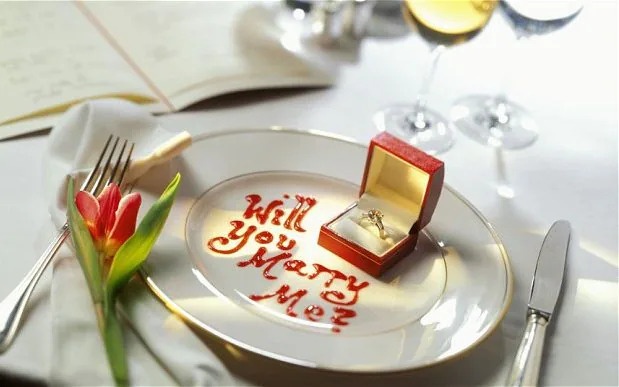
Marriage proposal during dinner

Pros:

  • Romantic atmosphere: The ambiance of a candlelit dinner or a favorite restaurant adds a touch of romance and sets the stage for an unforgettable proposal.
  • Memorable experience: The proposal becomes a part of your shared dining experience, creating a lasting memory that you can cherish together.


Cons:

  • Lack of privacy: Depending on the restaurant or dining location, proposing during dinner may result in limited privacy, potentially making your partner feel self-conscious or overwhelmed by onlookers.
  • Interruption of the meal: The proposal may temporarily shift the focus away from the meal, disrupting the dining experience and potentially affecting the overall enjoyment of the evening.


After Dinner:

Choosing to propose after dinner provides an opportunity to create a relaxed and intimate moment, away from any distractions. This approach allows you to fully savor the meal and enjoy each other’s company before transitioning into the next chapter of your lives together.

Marriage proposal after dinner

Pros:

  • Uninterrupted dining experience: Proposing after dinner ensures that you can fully engage in the meal and enjoy uninterrupted conversation and connection.
  • Private and intimate setting: By proposing in a secluded or meaningful location after dinner, you can create an intimate and personal moment that focuses solely on your commitment to each other.


Cons:

  • Potential predictability: If your partner has been anticipating a proposal, waiting until after dinner may make the timing more predictable and may reduce the element of surprise.
  • Delayed celebration: Proposing after dinner means postponing the immediate celebration of your engagement, which may be disappointing for some couples who prefer to revel in the excitement right away.

Communication and Alignment:

Regardless of the chosen timing, effective communication and alignment are crucial. Discussing your intentions and expectations with your partner beforehand can ensure that both parties are on the same page. This open dialogue will help avoid misunderstandings and ensure that the timing of the proposal aligns with the desires and expectations of both individuals.


Flexibility and Adaptability:

While planning the perfect timing is important, it is equally vital to remain flexible and adaptable. Unexpected circumstances may arise, and the initial plan may need to be adjusted. Being able to embrace spontaneity and go with the flow will ultimately contribute to a more memorable and enjoyable proposal experience.


Capturing the Element of Surprise:

The element of surprise can add an extra layer of excitement and emotion to a proposal. Consider how each timing option – before, during, or after dinner – can contribute to the surprise factor. Proposing before dinner allows for an unexpected declaration of love, while proposing during or after dinner can catch your partner off guard in a romantic and unexpected moment. Assess your partner’s personality and preferences to determine which timing option will deliver the desired surprise element.


Account for Personal Preferences:

Understanding your partner’s personal preferences and desires is crucial when deciding on the timing of a proposal. Some individuals may have always envisioned a grand gesture during a romantic dinner, while others might prefer a more intimate and private moment. Taking your partner’s preferences into account demonstrates thoughtfulness and consideration, ensuring that the proposal timing aligns with their vision and desires.


Cultural and Symbolic Considerations:

Cultural and symbolic factors can also influence the timing of a proposal. In some cultures, certain times or occasions hold significant meaning for engagements. For example, proposing during a special holiday or anniversary may carry added symbolism and sentimental value. Taking into account these cultural and symbolic considerations can enhance the meaningfulness of the proposal experience.

Balancing Intimacy and Publicity:

Finding the right balance between intimacy and publicity is essential when considering the timing of a proposal. Some individuals prefer a private and intimate moment to share their love and commitment, while others enjoy the idea of a public declaration surrounded by friends and family. Carefully weigh the desires and comfort levels of both partners to create a proposal setting that strikes the perfect balance and fosters a memorable and cherished experience.


Considering Practical Logistics:

In addition to the emotional and symbolic aspects, practical logistics should also be taken into consideration when deciding on the timing of a proposal. Think about factors such as the availability of the desired venue, reservations for dinner, and any logistical arrangements that may need to be made. Planning ahead and ensuring a seamless flow of events can contribute to a stress-free and well-executed proposal.

Personalizing the Experience:

Personalization is key to creating a memorable and meaningful proposal. Consider your partner’s interests, hobbies, or favorite activities when deciding on the timing. For example, if your partner loves outdoor adventures, a proposal during a scenic hike or picnic might be more fitting. By incorporating personal elements into the timing, you can create a proposal experience that is tailored to your partner’s preferences and passions.

Trusting Your Instincts:

While it is helpful to consider various factors and advice, ultimately, trusting your instincts is crucial. You know your partner and your relationship best. Pay attention to your intuition and what feels right for both of you. Trusting your instincts will help ensure that the timing of the proposal aligns authentically with your relationship and sets the stage for a truly heartfelt and genuine moment.

Celebrating the Journey:

Ultimately, a proposal is a celebration of the journey you and your partner have embarked upon together. While the timing is important, it is just one aspect of a much larger picture. Focus on the love, growth, and shared experiences that have brought you to this moment. Regardless of when, where, or how you propose, it is the depth of your connection and the commitment to a future together that will make the proposal truly special.


Conclusion

Deciding on the timing of a proposal – whether before, during, or after dinner – involves a thoughtful and balanced approach that takes into account emotional dynamics, personal preferences, surprise elements, practical logistics, and personalization. By considering these factors, communicating openly with your partner, and trusting your instincts, you can create a proposal experience that captures the essence of your relationship and sets the stage for a lifetime of love and happiness. Remember, it is the depth of your love and the sincerity of your commitment that will make the proposal truly unforgettable, regardless of the specific timing chosen.…
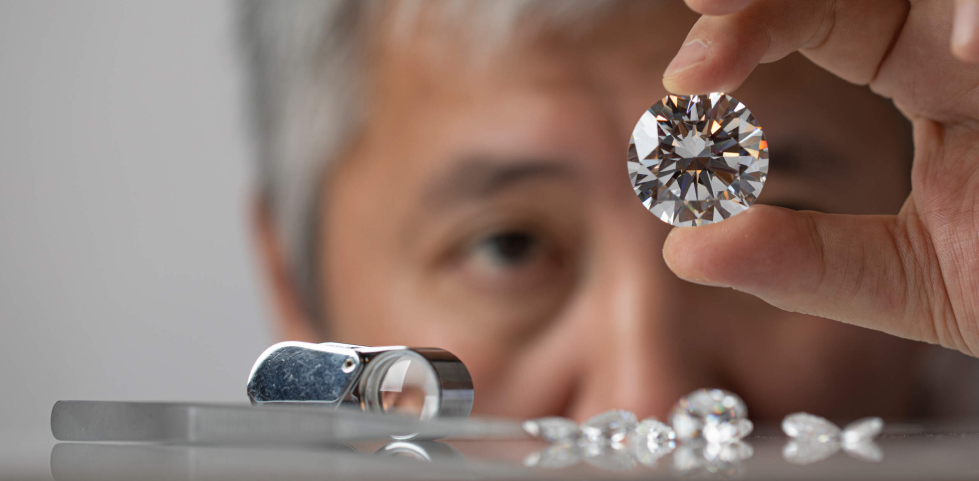
Lab Created Diamonds | JamesAllen.comLab Created Diamonds | JamesAllen.com

0 Comments 4:26 am

Diamonds have captivated the human imagination for centuries with their mesmerizing beauty and allure. Traditionally, these precious gemstones were formed deep within the Earth over millions of years. However, recent advancements in science and technology have unlocked the ability to create diamonds in laboratories, revolutionizing the diamond industry. In this article, we delve into the world of lab-created diamonds, exploring their origins, characteristics, benefits, and impact on the jewelry market.

Lab Created Diamonds

Understanding Lab-Created Diamonds:

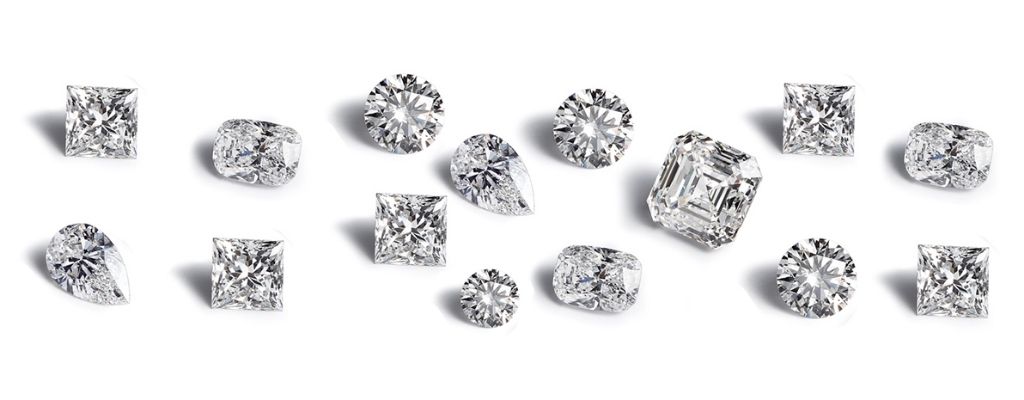
Lab-created diamonds, also known as synthetic or man-made diamonds, are grown in controlled laboratory environments that mimic the natural diamond formation process. They possess the same chemical composition, physical properties, and optical qualities as natural diamonds, making them virtually indistinguishable to the naked eye. These diamonds are created through two primary methods: High Pressure-High Temperature (HPHT) and Chemical Vapor Deposition (CVD).

Lab created diamond high quality

Origins and Advancements:

The concept of lab-created diamonds dates back to the mid-20th century, with early experiments yielding small, low-quality diamonds. However, over the years, significant advancements in technology have paved the way for the production of high-quality, gem-grade lab-created diamonds. Modern techniques have enabled manufacturers to replicate the natural growth conditions of diamonds with remarkable precision.


Characteristics and Quality:

Lab-created diamonds exhibit the same physical, chemical, and optical properties as their natural counterparts. They possess exceptional hardness, durability, and brilliance, making them an ideal choice for jewelry. These diamonds are graded using the same 4Cs criteria—color, clarity, cut, and carat weight—as natural diamonds, ensuring consistent quality and providing consumers with a reliable benchmark for comparison.


Sustainability and Ethical Considerations:

One of the most significant advantages of lab-created diamonds is their reduced environmental impact compared to traditional diamond mining. Mining natural diamonds often involves substantial land disturbance, energy consumption, and water usage. In contrast, lab-created diamonds require significantly fewer resources and have a minimal carbon footprint. Moreover, they are free from the ethical concerns associated with diamond mining, such as worker exploitation and conflict diamonds.


Affordability and Accessibility:

Lab-created diamonds offer an attractive alternative for budget-conscious consumers who desire the beauty and elegance of diamonds without the exorbitant price tag. Typically, lab-created diamonds are priced at a fraction of the cost of natural diamonds with comparable characteristics. This affordability factor has democratized diamond ownership, making them accessible to a broader range of individuals.


Market Acceptance and Consumer Perception:

The acceptance of lab-created diamonds in the jewelry market has been steadily increasing. More consumers are recognizing the value, beauty, and ethical advantages of lab-grown diamonds. Major jewelry brands and retailers have begun to offer lab-created diamonds alongside their natural diamond offerings, catering to a diverse customer base with varying preferences and budgets.

Future Trends and Innovations:

As technology continues to advance, we can expect further improvements in the quality, size, and color range of lab-created diamonds. Ongoing research and development efforts are focused on enhancing the growth process, expanding the range of available colors, and exploring new diamond applications beyond jewelry. These innovations will likely shape the future of the diamond industry and create new opportunities for designers and consumers alike. The diamond industry will exponentially bloom in the future too.

Future diamond trends and innovation

Addressing Misconceptions:

Despite the numerous benefits and advancements in lab-created diamonds, misconceptions still persist. One common misconception is that lab-created diamonds are “fake” or of lower quality. However, it’s important to clarify that lab-created diamonds are real diamonds with identical chemical and physical properties to natural diamonds. Another misconception is that lab-created diamonds lack rarity. While it is true that lab-created diamonds can be produced in larger quantities, rare and fancy colored lab-created diamonds do exist and are highly sought after.


Consumer Education and Transparency:

In order to fully appreciate and embrace lab-created diamonds, consumer education, and transparency play a crucial role. Jewelers and industry professionals have a responsibility to educate customers about the options available to them, clearly explaining the differences between natural and lab-created diamonds, and empowering consumers to make informed choices based on their preferences and values.


Coexistence with Natural Diamonds:

Lab-created diamonds and natural diamonds can coexist harmoniously within the jewelry industry. Each has its own unique appeal and caters to different consumer needs. The choice between a natural or lab-created diamond ultimately depends on personal preferences, budget, and ethical considerations. The industry can thrive by offering a diverse range of options to accommodate a wide range of consumer demands.


Certification and Standards:

To ensure transparency and consumer confidence, reputable certification bodies play a vital role in evaluating and grading lab-created diamonds. Certification provides assurance of the diamond’s quality and authenticity, enabling consumers to make informed purchasing decisions. The diamond industry should continue to establish and uphold stringent standards for the certification of lab-created diamonds, maintaining trust and credibility.


Embracing Innovation and Collaboration:

The rise of lab-created diamonds presents an opportunity for collaboration and innovation within the diamond industry. Jewelers, manufacturers, and scientists can work together to explore new possibilities, such as incorporating lab-created diamonds into innovative designs, utilizing advanced cutting techniques, and leveraging technological advancements to push the boundaries of diamond craftsmanship.


Long-Term Durability and Investment Potential:

Lab-created diamonds possess the same long-term durability as natural diamonds, making them a viable investment option. With proper care, lab-created diamonds can retain their brilliance and value over time. As consumer awareness and acceptance of lab-created diamonds continue to grow, their investment potential may also increase, presenting an exciting opportunity for collectors and investors alike.


Collaboration with Natural Diamond Industry:

Rather than viewing lab-created diamonds as competitors, the natural diamond industry can explore collaborations and synergies. Joint efforts can focus on sustainability initiatives, research and development, and sharing best practices. This collaboration would not only benefit the industry as a whole but also contribute to the ethical and environmental progress of the diamond sector.


Consumer Perception and Changing Market Dynamics:

The perception of lab-created diamonds has evolved significantly in recent years. As consumers become more informed about the advantages and similarities between lab-created and natural diamonds, their preferences and purchasing decisions are shifting. Jewelers and retailers must adapt to these changing market dynamics, ensuring that they cater to the evolving demands and preferences of their customers.


Continued Research and Development:

Research and development in the field of lab-created diamonds are essential for pushing the boundaries of quality, size, color, and production efficiency. Scientists and manufacturers continue to invest in innovative technologies and methodologies to enhance the growth process and unlock new possibilities. This commitment to research and development will contribute to the continuous improvement and advancement of lab-created diamonds.


Environmental Stewardship:

Lab-created diamonds align with the growing global emphasis on environmental stewardship. By opting for lab-created diamonds, individuals contribute to reducing the environmental impact associated with traditional diamond mining. This choice reflects a commitment to sustainability and demonstrates a responsible approach to personal adornment.


Redefining Luxury:

Lab-created diamonds have redefined the concept of luxury in the jewelry industry. Traditionally, natural diamonds have been associated with exclusivity and prestige. However, lab-created diamonds offer a new definition of luxury that goes beyond rarity. They represent a conscious choice that combines exquisite beauty with ethical considerations and environmental responsibility. This shift in perception reflects a growing appreciation for sustainable and socially conscious luxury.


Social Impact:

Lab-created diamonds have a positive social impact beyond their environmental and ethical benefits. The production of lab-created diamonds creates job opportunities within the scientific, engineering, and manufacturing sectors. This contributes to local economies and provides employment in regions where natural diamond mining may not be feasible. By supporting lab-created diamonds, consumers indirectly contribute to social development and economic growth.


Empowering Choice:

The availability of lab-created diamonds empowers consumers with more choices in the diamond market. They can select from a wide range of options, including lab-created diamonds, natural diamonds, or a combination of both. This freedom of choice allows individuals to align their purchasing decisions with their values and preferences, ensuring a meaningful and personalized diamond purchasing experience.


Cultural and Generational Relevance:

Lab-created diamonds resonate with the changing cultural and generational dynamics of consumers. Younger generations, in particular, are more conscious of environmental and ethical issues and actively seek products that align with their values. Lab-created diamonds offer a modern and relevant option that appeals to these discerning consumers, enabling them to celebrate special moments with jewelry that reflects their beliefs and aspirations.


A Sustainable Legacy:

By embracing lab-created diamonds, individuals have the opportunity to leave a sustainable and positive legacy. Lab-created diamonds are a symbol of responsible consumerism, allowing people to express their commitment to a more sustainable and equitable future. Choosing lab-created diamonds not only contributes to personal joy and beauty but also sets an example for future generations, inspiring them to make conscious choices that prioritize environmental preservation and ethical practices.


Conclusion

Lab-created diamonds have revolutionized the diamond industry by offering a sustainable, ethical, and breathtakingly beautiful alternative to natural diamonds. Their indistinguishable brilliance, durability, and versatility make them an attractive choice for those seeking exceptional diamond jewelry. Lab-created diamonds provide consumers with a responsible and transparent option, ensuring that their diamond purchase aligns with their values of sustainability and ethical sourcing. Furthermore, lab-created diamonds offer a consistent and predictable range of characteristics, allowing for seamless customization and matching in jewelry pieces. With their positive environmental impact, ongoing technological advancements, and changing cultural perceptions, lab-created diamonds have cemented their place as a compelling choice for the conscious consumer. By embracing lab-created diamonds, individuals can adorn themselves with brilliance while contributing to a more sustainable and socially responsible future.…